Pyramid Hill Marketing CampaignBuilding a cost effective marketing strategy to increase visitors
OVerview
By using an agile Scrum process we were able to move from research, strategy to execution. Over 3 sprints, our team developed a marketing strategy for Pyramid Hill:
Developed a cohesive Instagram campaign
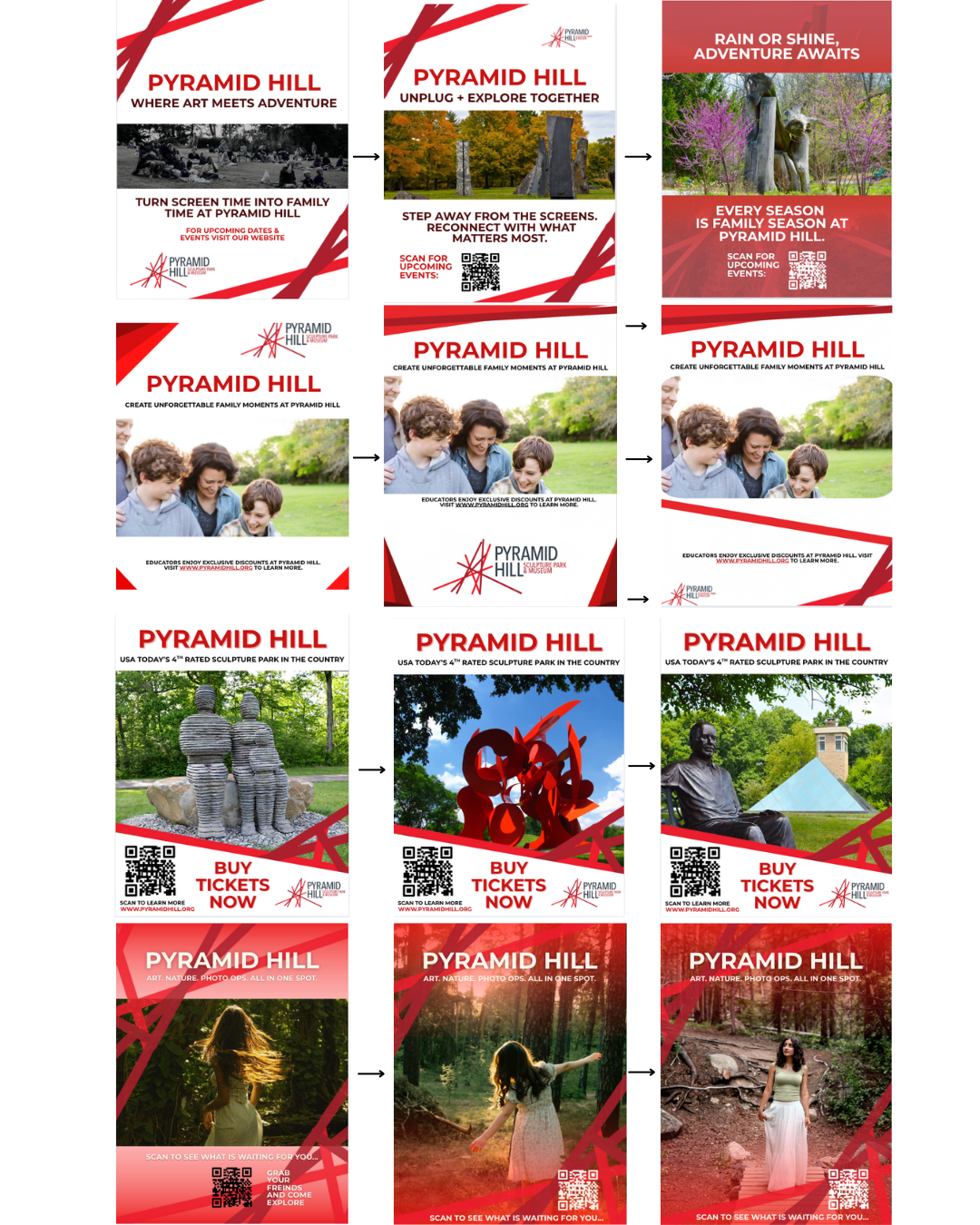
Designed promotional posters for targeted outreach
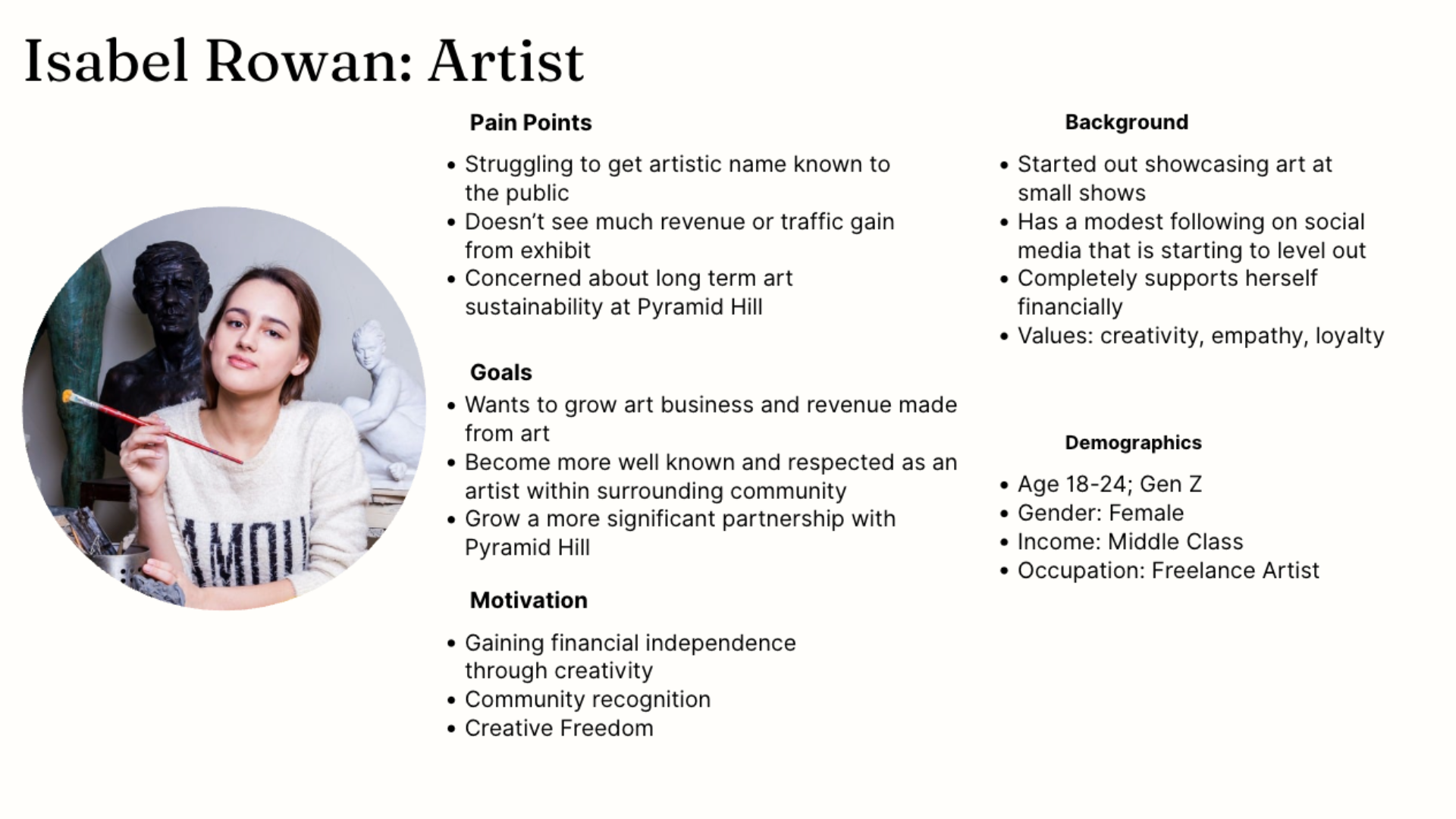
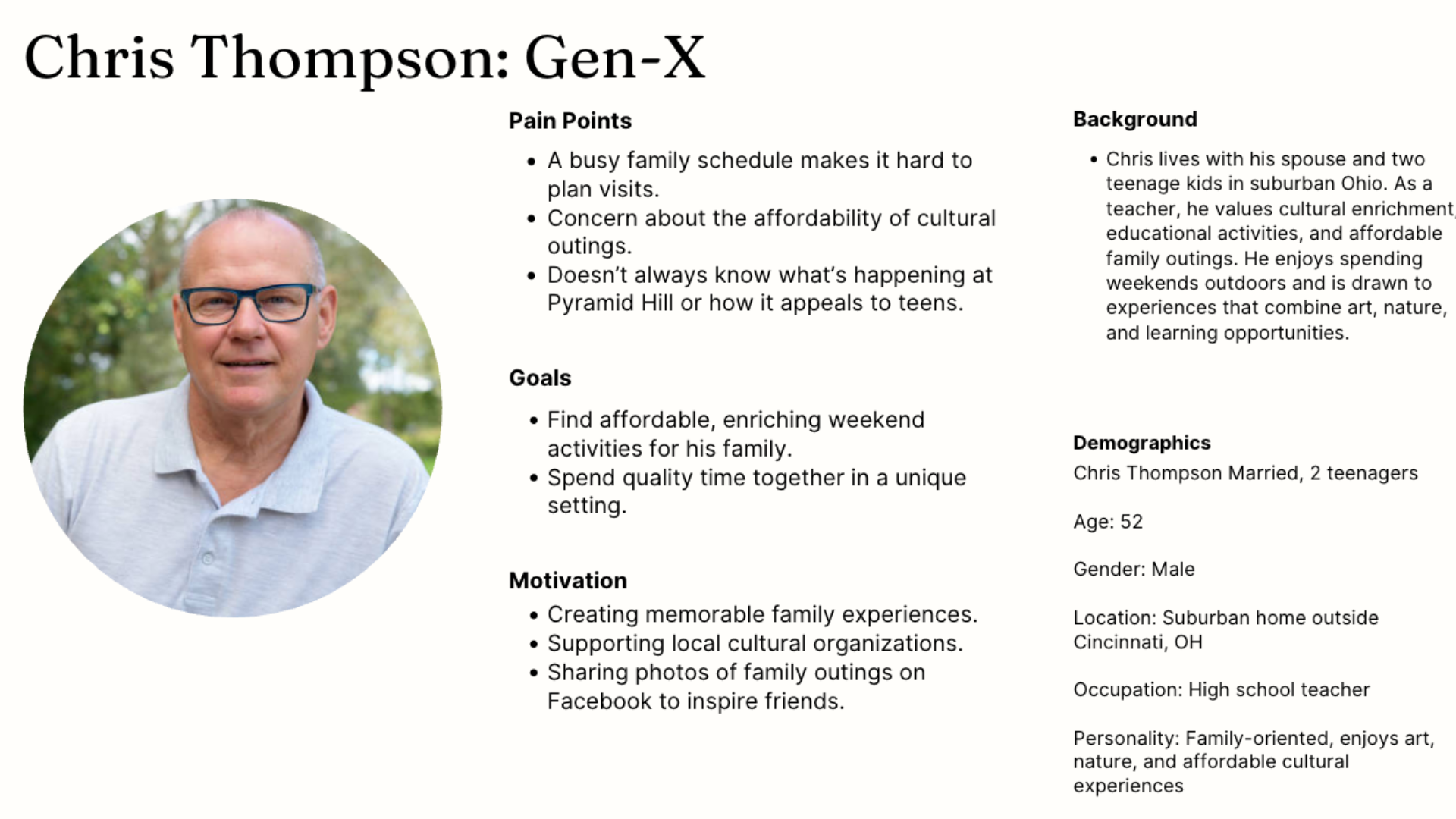
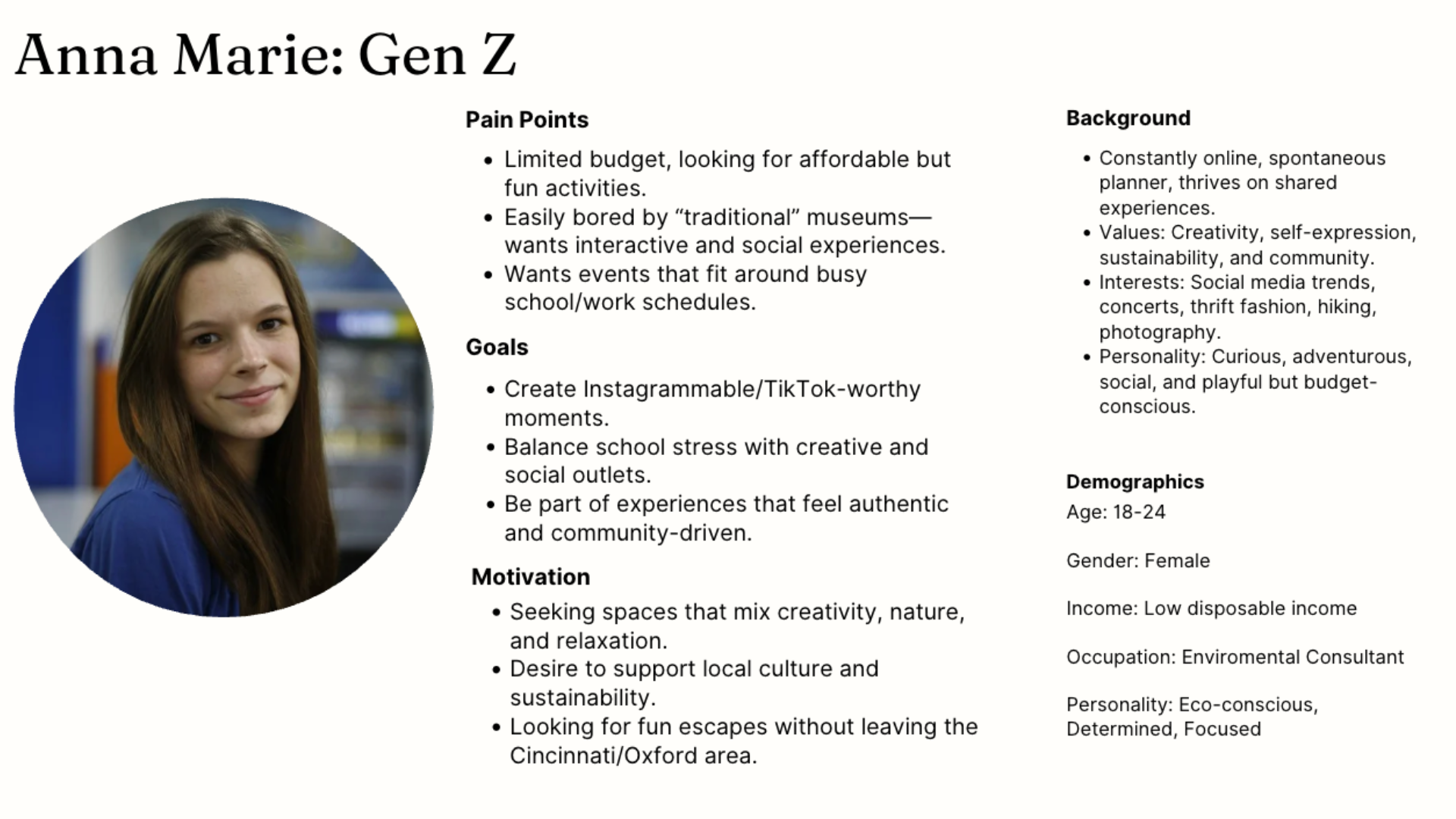
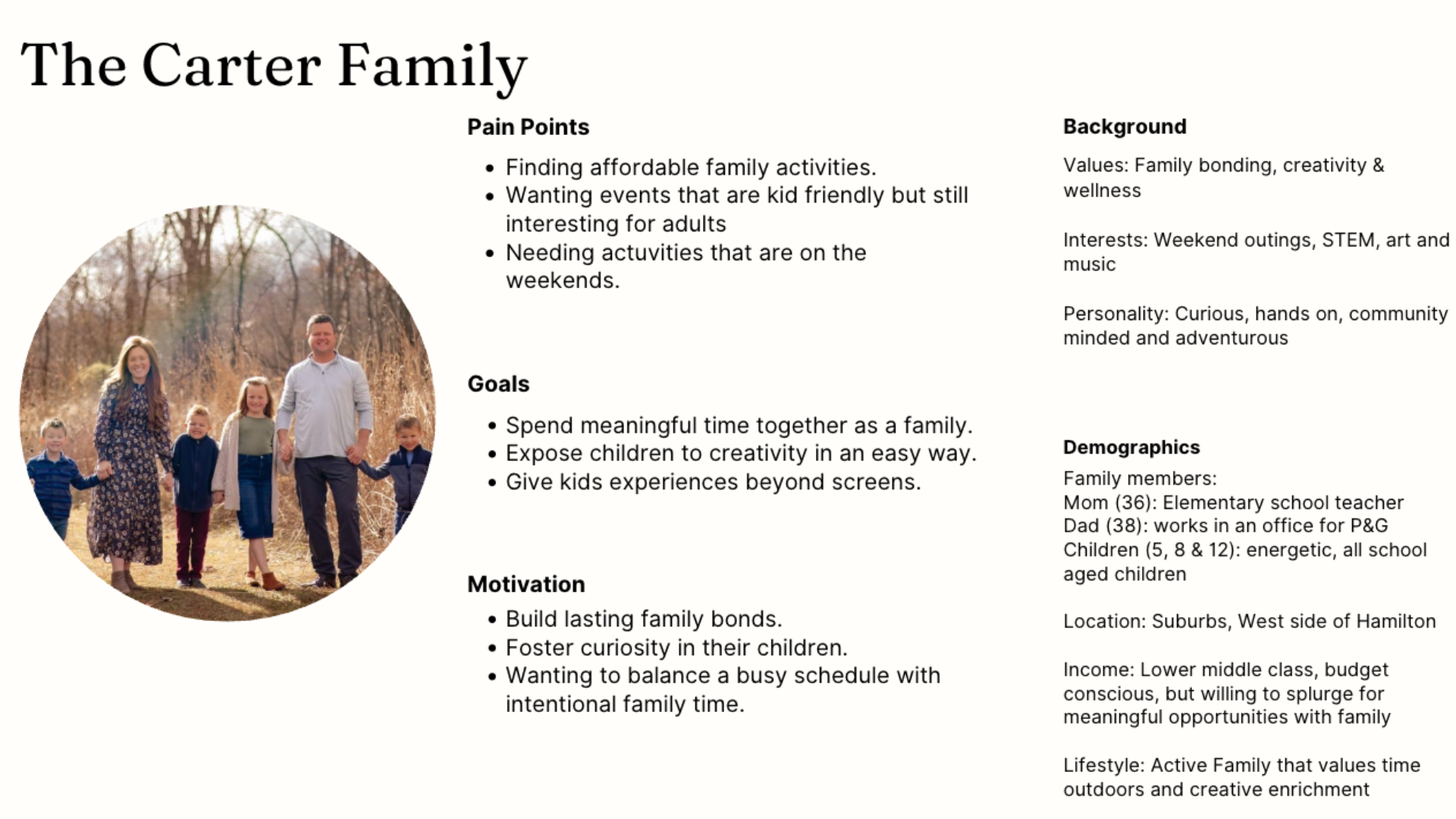
Created detailed user personas to guide our strategy
Agile Workflow & Project Management
This project was completed using an agile sprint methodology, which allowed our team to remain flexible and responsive throughout the process.
A key part of this workflow was our use of Trello to manage tasks and collaboration. Trello enabled us to:
Organize work across each sprint
Track progress and responsibilities
Quickly adapt to changes in project direction
This structure supported our ability to pivot effectively, ensuring that our final deliverables aligned with both the client’s goals and their real-world constraints.
problem
How do we create engaging marketing that actually gets people to visit Pyramid Hill?
We designed with
real people in mind

Sprint 1 - Research & Discovery
Sprint 1 focused on understanding the client’s goals and defining the scope of the project.
Initially, our team approached Pyramid Hill with the assumption that the primary need was social media content creation. However, through early conversations and discovery, it became clear that this approach would not be sustainable given the organization’s time and resources.
As a result, we reframed the problem:
Instead of creating short term social media outputs, the client needed deliverables that could be reused and maintained over time.
This shift required us to:
Re-evaluate our initial assumptions
Align our work with the client’s operational realities
Begin thinking in terms of longevity and usability
Sprint 2 - Strategy Development

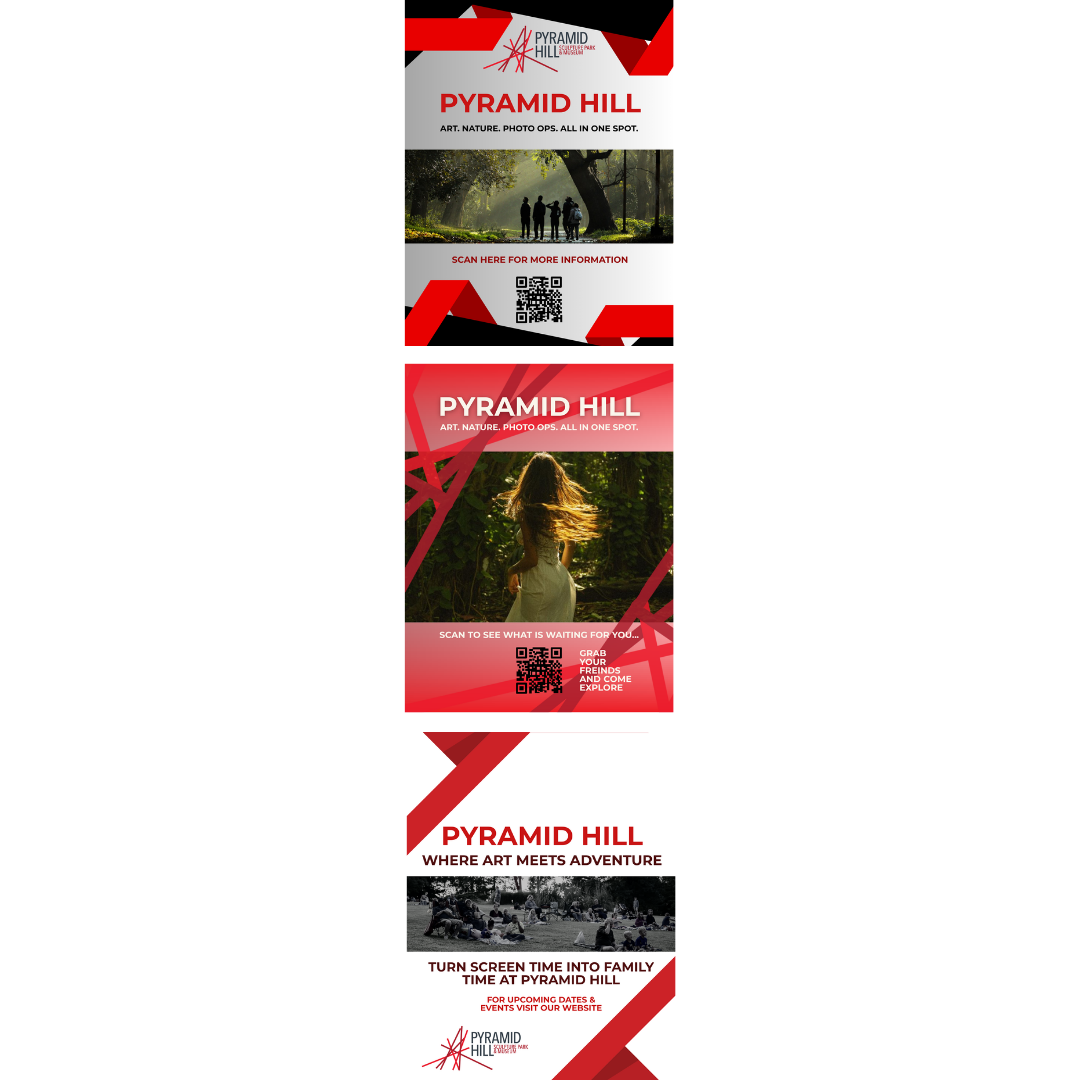
In Sprint 2, we translated our updated direction into tangible design concepts.
Based on the need for more sustainable materials, our team developed the first iteration of promotional flyers. These designs focused on creating visually engaging assets that could be reused across different events and contexts.
This phase emphasized:
Exploring visual direction and layout options
Interpreting Pyramid Hill’s brand through design
Creating materials that balanced creativity with practicality
We then presented these initial concepts to the client to gather feedback. This step was essential in identifying:
What visual elements aligned with the client’s vision
What aspects needed refinement or reconsideration
Sprint 3 - Execution & Refinement
Sprint 3 focused on refining the flyer designs through iterative feedback.
Using the insights gathered in Sprint 2, we revised our designs to better align with the client’s preferences and needs. This included adjustments to:
Visual hierarchy and layout
Typography and readability
Overall clarity and usability of the flyers
This phase highlighted the value of iteration within an agile workflow—where feedback is not just received, but actively applied to improve the final outcome.
By the end of Sprint 3, the designs had evolved into more polished, intentional deliverables that were both visually cohesive and practically useful for the client.